High-End Fashion Brands are at the forefront of style, elegance, and sophistication, capturing the essence of luxury in every stitch. This realm of fashion is not just about high price tags; it encompasses a rich history of artistry, craftsmanship, and cultural significance. From the iconic designs of Chanel and Gucci to the innovative trends shaping tomorrow’s fashion, high-end brands set the benchmarks for quality and exclusivity that influence global fashion dynamics.
As we delve deeper into this world, we uncover the intricate processes behind the design, the marketing strategies that establish these brands as household names, and the economic implications of their prominence. Moreover, we will explore how sustainability initiatives and cultural collaborations are redefining the landscape of high-end fashion, ensuring that it remains relevant in an ever-evolving marketplace.
Overview of High-End Fashion Brands
Source: virtualhangarmedia.com
High-end fashion brands epitomize luxury and exclusivity, offering high-quality products that are often handcrafted and made from the finest materials. These brands are characterized by their meticulous attention to detail, innovative designs, and a strong emphasis on brand heritage and identity. They cater to a discerning clientele that values not just the product but the lifestyle and status that comes with owning pieces from such brands.The historical evolution of high-end fashion dates back to the 19th century when couturiers like Charles Frederick Worth began to establish the foundations of modern fashion houses.
This era marked a shift from custom-made garments to the creation of seasonal collections that could be marketed to a broader audience. High-end fashion has since transformed into a significant segment of the global fashion industry, influencing not only consumer behavior but also the aesthetic standards of the mainstream market. The importance of these brands lies in their ability to set trends, drive innovation, and maintain a cultural relevance that resonates across generations.
Characteristics of High-End Fashion Brands
The defining traits of high-end fashion brands contribute to their allure and prestige. Key characteristics include:
- Quality Materials: High-end brands source the finest fabrics and materials, ensuring durability and a luxurious feel.
- Craftsmanship: Each piece is often handmade or produced in limited quantities, showcasing exceptional craftsmanship.
- Exclusivity: Many high-end brands limit their production to maintain a sense of exclusivity and desirability.
- Brand Heritage: A rich history and legacy often accompany these brands, lending authenticity and prestige.
- Innovative Design: High-end fashion is known for its creative and avant-garde designs, pushing the boundaries of traditional fashion.
The impact of these characteristics is significant in shaping consumer perception and establishing brand loyalty. Consumers are not only purchasing apparel but investing in a persona that resonates with luxury and sophistication.
Historical Evolution of High-End Fashion
The journey of high-end fashion has been marked by pivotal moments that reshaped the industry. Beginning with the establishment of the Paris couture houses, such as Dior and Chanel, the high-end fashion scene grew rapidly in the 20th century. These brands introduced concepts like haute couture, which emphasized exclusive, custom-fitted clothing for affluent clients.The mid to late 20th century witnessed the rise of ready-to-wear collections, making high fashion more accessible while still retaining an aura of exclusivity.
This evolution paved the way for designers like Yves Saint Laurent, who democratized fashion by integrating street style into high-end designs. The global expansion of luxury brands in the 21st century has further solidified their influence, with markets in Asia and the Middle East becoming increasingly significant.
Impact on Global Fashion Trends
High-end fashion brands serve as trendsetters, often dictating styles that cascade down to mainstream fashion. Their influence is felt in various ways:
- Trend Development: Collections from high-end brands often inspire seasonal trends seen in high street fashion.
- Celebrity Endorsement: Red carpet appearances solidify the status of high-end brands, propelling their designs into popular culture.
- Fashion Weeks: Events like Paris Fashion Week are platforms where high-end brands showcase new ideas that shape the future of fashion.
- Collaborations: Partnerships with artists and influencers extend the reach of high-end brands, introducing luxury to new audiences.
The cyclical nature of fashion ensures that while high-end brands set trends, they also draw inspiration from street style and cultural movements, creating a dynamic interplay that continues to evolve.
Key Players in the High-End Fashion Industry
The high-end fashion industry is a realm where creativity, craftsmanship, and exclusivity intertwine to create not just clothing, but a lifestyle. The key players in this luxurious segment are renowned for their unique offerings, which often set trends and redefine standards of elegance. Brands like Chanel, Gucci, and Louis Vuitton dominate the market, each bringing its own flair and heritage to the forefront of fashion.
Major High-End Fashion Brands and Their Unique Offerings
Understanding the major players in high-end fashion involves looking at their distinctive styles and contributions. Each brand has carved a niche that resonates with consumers, driven by heritage, innovation, and bold design choices.
- Chanel: Known for its timeless elegance, Chanel revolutionized women’s fashion with the introduction of the “little black dress” and the iconic Chanel No. 5 fragrance. The brand emphasizes classic styles with modern twists, making it a staple in luxury wardrobes.
- Gucci: This brand is synonymous with eclectic style and bold prints, often combining traditional craftsmanship with contemporary artistry. Gucci’s collaborations with artists and involvement in sustainable practices have garnered a younger audience, positioning it as a trendsetter.
- Louis Vuitton: Famous for its monogrammed bags and luggage, Louis Vuitton represents luxury and travel. The brand’s collaborations with contemporary artists and designers keep it relevant while honoring its rich history in craftsmanship.
Influence of Luxury Fashion Houses
Luxury fashion houses play a crucial role in setting the tone for trends and influencing consumer behavior across the industry. Their impact extends beyond mere clothing; they shape lifestyle aspirations and cultural narratives.
“Luxury is in each detail.”
Hubert de Givenchy
Chanel, Gucci, and Louis Vuitton are instrumental in this regard. Chanel’s timeless designs promote a sense of enduring elegance, while Gucci’s vibrant and often controversial choices challenge fashion norms. Louis Vuitton’s strong association with luxury travel not only enhances its product appeal but also cultivates an aspirational lifestyle linked to adventure and exploration.
Market Strategies of Leading High-End Brands
The market strategies of high-end fashion brands are designed to maintain exclusivity and desirability. Each brand adopts unique techniques to captivate their audience and differentiate themselves in a competitive landscape.
- Brand Heritage: Brands like Chanel and Louis Vuitton leverage their rich histories to establish credibility and allure. This strategy reinforces their status as icons of luxury.
- Limited Editions: High-end brands often release limited edition pieces, creating a sense of urgency and exclusivity. This tactic drives demand while enhancing the perceived value of products.
- Collaborations: Collaborations with artists or non-fashion brands enable luxury houses to reach new demographics and invigorate their product offerings. Gucci’s partnership with various contemporary artists exemplifies this approach.
Each of these strategies highlights an understanding of consumer psychology and market dynamics, ensuring that high-end brands not only maintain their relevance but also continue to thrive amidst changing fashions and consumer expectations.
The Design Process in High-End Fashion
The design process in high-end fashion is a meticulous journey that transforms creative concepts into stunning garments. This intricate sequence not only showcases the designer’s artistic vision but also emphasizes the craftsmanship involved in creating luxurious pieces. Understanding this process offers insights into what elevates high-end fashion above mass-market offerings.The design process typically unfolds in several key stages, each playing a critical role in the final product.
From initial inspiration to the final presentation, these stages are essential for ensuring that the vision is realized with precision and flair.
Stages in Designing High-End Fashion Pieces
The design process begins with conceptualization, where designers draw inspiration from various sources, including art, culture, nature, and current fashion trends. This stage is followed by sketching, where initial designs take form through illustrations. Important considerations during this phase include:
- Research: Gathering information on trends, fabrics, and the target audience.
- Sketching: Translating ideas into visual representations, often using various mediums like pencil or digital software.
- Pattern Making: Creating patterns that serve as templates for cutting fabric, ensuring accurate proportions and fit.
- Prototyping: Making a sample garment, known as a toile, to test the design and fit before the final product is produced.
- Fittings: Conducting fittings with models to make necessary adjustments to the garment design.
Craftsmanship and Materials Used in High-End Fashion Production
High-end fashion is synonymous with exceptional craftsmanship and the use of premium materials. Each piece is often handmade, showcasing the skills of artisans who bring decades of experience to their work. The selection of materials greatly impacts the quality and feel of the clothing. Key aspects include:
- Fabrics: Luxurious fabrics such as silk, cashmere, and fine wool are commonly used, each chosen for its texture, drape, and overall aesthetic appeal.
- Embellishments: Techniques like hand-embroidery, beadwork, and appliqué add an exquisite touch, enhancing the garment’s uniqueness.
- Construction Techniques: Methods like couture sewing, which includes hand-stitching and careful finishing, elevate the durability and appearance of each piece.
- Sustainability: Increasingly, designers are incorporating eco-friendly materials and practices, reflecting a growing awareness of environmental responsibility.
Role of Fashion Shows in Launching High-End Collections
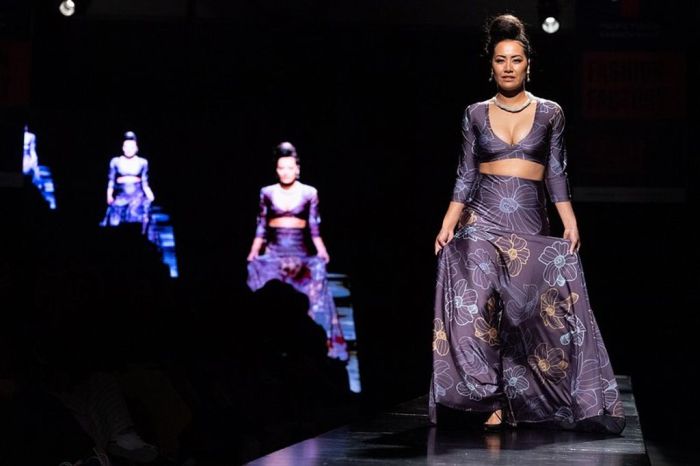
Fashion shows serve as a critical platform for launching high-end collections, allowing designers to showcase their work to an audience of industry professionals, influencers, and the media. These events are not merely exhibitions; they are orchestrated experiences that create buzz and excitement around new lines. Key elements of fashion shows include:
- Presentation: The way garments are presented—through choreography, lighting, and music—greatly impacts audience perceptions and brand identity.
- Marketing: Fashion shows generate significant media coverage, creating a narrative around the collection that influences public interest and sales.
- Networking: They provide opportunities for designers to connect with buyers, critics, and influencers, fostering relationships that can boost brand visibility.
- Trend Setting: The collections showcased often set the tone for upcoming trends, with designs influencing what will be worn in subsequent seasons.
Marketing Strategies for Luxury Brands

Source: modernfellows.com
In the competitive landscape of high-end fashion, marketing strategies are essential for brands to differentiate themselves and resonate with their target audiences. Luxury brands, known for their exclusivity and premium quality, employ innovative and sophisticated marketing techniques to maintain their status and allure. The focus is often on creating a strong brand narrative while utilizing modern platforms to engage consumers.One of the most effective marketing techniques employed by luxury fashion brands involves leveraging social media and influencers.
These channels have transformed how brands communicate with their audience, allowing for a more dynamic and interactive relationship.
Use of Social Media and Influencers
Social media platforms such as Instagram, TikTok, and Pinterest have become vital tools for luxury brands. These platforms allow brands to showcase their latest collections, share behind-the-scenes content, and connect with consumers. Influencers play a significant role in this strategy; their endorsements can enhance brand visibility and offer a sense of authenticity. The impact of influencers is seen through various campaigns, where luxury brands collaborate with both macro and micro-influencers.
For instance:
- Macro-influencers often have a vast reach and can generate significant buzz during product launches.
- Micro-influencers, although they may have smaller followings, often boast higher engagement rates and create a more intimate connection with their audience.
Luxury brands strategically select influencers whose personal brand aligns with their values, ensuring a seamless integration of products into the influencer’s lifestyle content.
Exclusivity and Brand Heritage
Another critical aspect of luxury marketing is the emphasis on exclusivity and brand heritage. High-end brands often leverage their long-standing histories and craftsmanship to create a perception of scarcity and desirability. This narrative not only enhances brand loyalty but also justifies higher price points. Exclusivity can be communicated through limited-edition releases, private events, or member-only access to collections. For example, brands like Louis Vuitton and Chanel have successfully launched exclusive capsule collections that create a sense of urgency among consumers.
Furthermore, brand heritage is typically highlighted through storytelling in marketing campaigns. By showcasing their iconic designs and rich histories, brands evoke emotional connections, making their products not just items to purchase but symbols of status and aspiration.
“Luxury is not just about the product; it’s about the experience and the story behind each piece.”
Overall, the marketing strategies employed by high-end fashion brands are multifaceted, focusing on creating engaging narratives, leveraging social media, and highlighting exclusivity and heritage. This sophisticated approach enables them to remain relevant in a rapidly evolving market and maintain their esteemed position in the fashion hierarchy.
Economic Impact of High-End Fashion Brands
High-end fashion brands play a pivotal role in the global economy, not only by generating substantial revenue but also by influencing various sectors beyond fashion. Their financial contributions are significant, as they create jobs, stimulate local economies, and shape consumer behaviors across the world. The luxury fashion market has shown resilience and adaptability in the face of economic fluctuations, making it a crucial player in global commerce.The luxury fashion market has exhibited consistent growth trends, driven by changing consumer preferences and increasing disposable incomes.
According to a report by Bain & Company, the global luxury market is expected to reach approximately €1.5 trillion (around $1.7 trillion) by 2025. This growth is fueled by a rising middle class in emerging markets and a relentless pursuit of exclusivity among affluent consumers.
Consumer Spending Habits in Luxury Fashion
Understanding consumer spending in the luxury fashion sector reveals important insights into market dynamics. High-end fashion brands have cultivated a loyal customer base that is willing to invest significantly in premium products. In 2022, the average annual spending on luxury goods was approximately $3,000 per consumer, a figure that has steadily increased over the past decade. To highlight the impact of consumer habits, consider the following statistics:
- In 2021, the number of high-net-worth individuals (HNWIs) increased globally, contributing to a surge in luxury goods purchases.
- Online luxury sales accounted for 23% of total luxury sales in 2022, reflecting a shift towards digital consumption and e-commerce platforms.
- Millennials and Gen Z are projected to account for about 45% of the luxury market by 2025, indicating the growing influence of younger consumers.
The luxury fashion market’s resilience during economic downturns underscores its unique position. Even during challenging economic times, high-end brands often see a stable demand. As evidenced during the COVID-19 pandemic, luxury goods sales rebounded quickly due to pent-up consumer demand and a renewed focus on quality over quantity.
“The luxury fashion sector is not just about apparel; it’s an ecosystem that drives economic growth and influences cultural trends.”
Sustainability in High-End Fashion
Source: fashinnovation.nyc
The high-end fashion industry is increasingly recognizing the importance of sustainability, not only as a trend but as an essential component of its future. As consumers become more environmentally conscious, luxury brands are responding by adopting practices that minimize their ecological footprint. This shift is redefining the landscape of high-fashion, as brands strive to balance creativity with responsibility.Emerging trends in sustainability have seen high-end brands embracing eco-friendly materials, ethical labor practices, and innovative production processes.
The integration of sustainability into luxury branding is not just a marketing strategy; it’s a fundamental change in how these brands operate and engage with their consumers. The goal is to create a circular economy where products are designed for longevity and recyclability, significantly reducing waste.
Leading Brands in Sustainable Practices
Several high-end fashion brands are pioneering sustainable practices, setting examples for others in the industry. Notable brands include:
- Stella McCartney: Known for her commitment to animal welfare, Stella McCartney exclusively uses vegetarian materials and has implemented eco-friendly production methods. Her brand actively promotes sustainability through campaigns that encourage consumers to think about the lifecycle of their clothing.
- Gucci: Gucci has launched initiatives like “Gucci Equilibrium,” focusing on reducing its environmental impact by using sustainable materials, reducing emissions, and emphasizing ethical sourcing in its supply chain.
- Burberry: Burberry has made significant strides by pledging to become carbon neutral by 2022. The brand has also committed to eliminating virgin plastic from its supply chain and using recycled materials in its products.
- Patagonia: While more known for outdoor wear, Patagonia’s influence in high-end fashion is undeniable. Their dedication to sustainability includes the use of recycled materials and a transparent supply chain, inspiring luxury brands to follow suit.
The leading brands illustrate that sustainability can coexist with luxury, proving that consumers are willing to support brands that prioritize ethical practices.
Challenges in Adopting Eco-Friendly Solutions
Despite the progress, high-end fashion faces significant challenges in adopting sustainable practices. The industry is often based on fast-paced trends, which conflicts with the principles of sustainability that emphasize slow production and thoughtful consumption. Moreover, there is a pervasive perception that sustainable products may compromise quality and luxury, which can deter some consumers.Key challenges include:
- High Costs: Eco-friendly materials and sustainable practices often come with higher production costs, potentially leading to increased retail prices that could alienate some luxury consumers.
- Sourcing Materials: Accessing high-quality sustainable materials can be challenging, particularly in meeting the demands of high-end fashion’s aesthetic while maintaining sustainability.
- Consumer Awareness: Not all consumers understand the benefits of sustainability, which can lead to a reluctance to invest in sustainable luxury items.
- Supply Chain Complexity: Establishing a fully transparent and sustainable supply chain requires substantial investment in technology and processes, which many brands may find burdensome.
The luxury fashion sector must navigate these challenges carefully to ensure that the push for sustainability does not compromise the craftsmanship and allure that define high-end fashion.
“Sustainability is not just a trend; it’s a necessity that high-end fashion must embrace to survive in an evolving market.”
Cultural Influence of High-End Fashion
High-end fashion has always played a significant role in shaping and reflecting cultural identities. It serves not only as a means of personal expression but also as a lens through which societal values, norms, and issues can be viewed and understood. As these luxury brands engage with diverse cultures and communities, they contribute to a dynamic dialogue that can influence trends and perceptions globally.The intersection of high-end fashion and culture is particularly visible in the collaborations between luxury brands and artists or designers from various backgrounds.
These partnerships often blur the lines between art and fashion, creating unique collections that celebrate cultural heritage while pushing contemporary boundaries.
Collaborations with Artists and Designers from Diverse Cultures
Collaborations in high-end fashion have become a powerful tool for cultural expression. By teaming up with artists and designers from different cultural backgrounds, luxury brands can introduce fresh perspectives and narratives into their collections. This practice not only enhances the creative process but also promotes cultural appreciation and understanding. Many high-end brands have successfully executed collaborations that highlight the richness of various cultures.
Notable examples include:
- Louis Vuitton and Takashi Murakami: This collaboration brought vibrant colors and playful designs to luxury leather goods, blending Japanese pop culture with high fashion.
- Balenciaga and Demna Gvasalia: Gvasalia’s Georgian heritage has influenced the brand’s aesthetic, reflecting elements of traditional Eastern European dress in modern silhouettes.
- Gucci and Dapper Dan: Partnering with the Harlem-based designer, Gucci celebrated the legacy of hip-hop culture and street style, creating a collection that resonates with diverse communities.
These collaborations do more than just create stylish products; they foster a greater appreciation for cultural narratives in the fashion industry, encouraging consumers to engage with and respect the cultures represented.
Addressing Social Issues through Fashion Campaigns
High-end fashion brands are increasingly using their platforms to address pressing social issues, leveraging their influence to promote awareness and change. Through thoughtful campaigns, these brands can engage consumers on topics like inequality, environmental sustainability, and body positivity. For instance, many luxury labels have launched campaigns to support social justice movements, often donating a portion of sales to relevant causes.
This not only draws attention to important issues but also positions the brand as a socially responsible entity. Some significant examples include:
- Burberry’s “Here We Are” Campaign: Focused on inclusivity and diversity, this campaign featured a wide range of models from various backgrounds, emphasizing the importance of representation in fashion.
- Prada’s “Believe in the Power of Women”: This initiative aimed at empowering women through storytelling, showcasing the experiences of women from diverse backgrounds.
- Chanel’s Commitment to Sustainable Fashion: Chanel has made commitments to sustainable practices, reflecting a growing concern over environmental issues within the luxury fashion sphere.
These efforts illustrate how high-end fashion can act as a catalyst for social change, driving discussions around crucial issues while engaging consumers in meaningful ways.
Future Trends in High-End Fashion
The future of high-end fashion is poised for transformation as it adapts to new societal values, technological advancements, and evolving consumer preferences. The landscape is shaping up to reflect sustainability, inclusivity, and a deeper integration of technology, which will redefine how luxury brands connect with their audiences. As we look ahead, understanding these trends will be crucial for fashion houses aiming to stay relevant in an ever-changing market.
Predicted Trends Impacting High-End Fashion
Several key trends are expected to emerge in the high-end fashion sector. These trends are shaped by shifting consumer behaviors and the industry’s response to global challenges. Observing these trends can provide deeper insights into the future direction of luxury fashion.
- Sustainability and Ethical Practices: Brands are increasingly adopting sustainable practices, prioritizing eco-friendly materials, and ethical production processes to meet consumer demand for responsible fashion. Companies like Stella McCartney and Gucci are leading the charge, showcasing how sustainability can coexist with high fashion.
- Personalization and Customization: The desire for unique, personalized experiences is growing. Luxury brands are leveraging data analytics and AI to offer custom-made products tailored to individual preferences, enhancing consumer engagement.
- Digital Fashion and Virtual Reality: As technology evolves, the concept of digital fashion is gaining traction. Virtual clothing and augmented reality experiences provide a novel way for consumers to engage with brands, evident in collaborations like Balenciaga’s digital collection showcased in video game environments.
- Inclusivity and Diversity: A push for representation is reshaping high-end fashion. Brands are now embracing diversity in their campaigns and collections, catering to a broader audience and reflecting societal changes towards inclusivity.
Role of Technology in Shaping Luxury Fashion
Technology is a crucial driver in the evolution of luxury fashion, influencing design, production, and marketing processes. Brands are increasingly investing in digital tools that enhance their operational efficiencies and consumer interactions.
- Supply Chain Innovations: Blockchain technology is revolutionizing transparency and traceability in the supply chain, allowing consumers to verify the authenticity and ethical sourcing of luxury items. Brands like LVMH are exploring blockchain to ensure product integrity.
- AI and Machine Learning: These technologies are enhancing the design process by predicting trends and consumer preferences, enabling brands to respond swiftly to market demands. AI-driven analytics help in optimizing inventory management, reducing waste.
- Virtual Fashion Shows: The COVID-19 pandemic has accelerated the shift towards virtual fashion shows, allowing brands to reach global audiences without geographical limitations. This trend offers increased accessibility and inclusivity in showcasing collections.
- eCommerce Innovations: High-end brands are enhancing their online presence through immersive shopping experiences, utilizing AR and VR to replicate the luxury in-store experience. An example includes Dior’s use of AR for virtual try-ons, transforming the online shopping experience.
Evolving Consumer Behavior Towards High-End Fashion
As consumer preferences evolve, so too does the way individuals engage with high-end fashion brands. Understanding these shifts is essential for luxury labels looking to maintain their relevance.
- Experience Over Ownership: Today’s consumers prioritize experiences over physical products. Luxury brands are responding by offering exclusive experiences, such as bespoke events and personalized shopping experiences, which create lasting emotional connections.
- Conscious Consumerism: A significant shift towards conscious consumerism is evident, with shoppers increasingly considering the ethical implications of their purchases. This trend places pressure on brands to demonstrate their commitment to sustainability and social responsibility.
- Social Media Influence: Social media platforms play a pivotal role in shaping consumer perceptions and purchasing decisions. Luxury brands are leveraging influencers and user-generated content to create authentic connections with potential buyers.
- Shift in Luxury Definitions: The definition of luxury is transforming, now encompassing not just products or exclusivity but also values such as sustainability, inclusivity, and authenticity. Brands that reflect these values are more likely to resonate with modern consumers.
Last Point
In conclusion, High-End Fashion Brands are not merely about luxury; they are a reflection of cultural shifts, technological advancements, and consumer desires. As we look ahead, the trends emerging from this sector will continue to shape not only the fashion industry but also the broader economic and social fabric of our world. Embracing sustainability and harnessing technological innovations seem to be the way forward, ensuring that high-end fashion remains both aspirational and responsible.
Essential FAQs
What defines a high-end fashion brand?
A high-end fashion brand is characterized by exceptional quality, exclusive designs, and a prestigious reputation within the luxury market.
How do high-end brands maintain their exclusivity?
High-end brands maintain exclusivity through limited production runs, selective distribution channels, and high pricing strategies.
What role do fashion shows play for luxury brands?
Fashion shows are crucial for luxury brands as they showcase new collections, generate media buzz, and establish trends for the upcoming season.
Are high-end fashion brands sustainable?
Many high-end fashion brands are increasingly adopting sustainable practices, though challenges still exist in terms of sourcing materials and production methods.
How do high-end fashion brands impact consumer behavior?
High-end brands often set trends that influence consumer preferences, leading to increased demand for luxury items and shaping market dynamics.