Luxury Interior Design is not just a trend; it’s an art form that transforms ordinary spaces into extraordinary experiences. This approach to design encompasses more than just aesthetics; it represents a lifestyle choice that prioritizes comfort, elegance, and sophistication. Through the careful selection of materials, colors, and furniture, luxury interior design creates environments that not only look stunning but also promote well-being and functionality.
In today’s world, where personal expression is paramount, the significance of luxury interior design is evident. It serves as a reflection of individual style and taste, showcasing unique characteristics that set it apart from conventional design. From high-quality materials to meticulous space planning, luxury interiors embody a sense of exclusivity that resonates with those who appreciate the finer things in life.
Introduction to Luxury Interior Design
Luxury interior design embodies an aesthetic that transcends mere functionality, focusing on an exquisite blend of opulence, comfort, and style. It is not just about lavish materials or grand spaces; rather, it encompasses a holistic approach to creating environments that evoke a sense of tranquility and extravagance, cultivating an experience that resonates with the inhabitants’ lifestyle and aspirations.In contemporary living, luxury interior design holds a significant place as it reflects personal identity and social status.
It is an art form that merges creativity with meticulous attention to detail, serving as a backdrop for cherished moments and daily activities. As urban living trends evolve, the significance of well-designed luxury spaces becomes apparent, as they provide not only aesthetic pleasure but also functionality and comfort in an increasingly fast-paced world.
Defining Elements of Luxury in Interior Spaces
The essence of luxury in interior design is defined through various key elements that contribute to the overall experience of a space. Understanding these components is crucial for anyone interested in elevating their environment to a realm of sophistication and elegance. The following elements are foundational to establishing luxury in interior spaces:
- Quality Materials: The use of premium materials such as marble, hardwood, silk, and high-grade metals not only enhances the aesthetics but also ensures durability and timelessness. For instance, a marble countertop or a handwoven silk rug can serve as focal points in a room, elevating its character.
- Attention to Detail: Meticulous craftsmanship and fine detailing in furniture and decor items add a unique touch that embodies luxury. Items such as custom-designed cabinetry or intricate moldings showcase the skill and effort that go into creating a luxurious environment.
- Personalization: Luxury interior design allows for personal expression through tailored solutions that reflect the homeowner’s taste and lifestyle. From bespoke furniture to curated art collections, customization plays a vital role in creating a unique living space.
- Comfort and Functionality: A luxurious environment is not solely about aesthetics; it must also provide comfort and serve practical functions. Ergonomic furniture and well-planned layouts ensure that spaces are not only beautiful but also livable.
- Lighting: Lighting can transform a space, highlighting architectural features and creating ambiance. Layered lighting strategies, using chandeliers, sconces, and natural light, enhance the overall mood and feel of luxury interiors.
- Art and Accessories: Curated art pieces and carefully selected accessories contribute to the character of the space. Unique sculptures, paintings, and decorative items can serve as conversation starters and focal points, enhancing the luxury experience.
The harmonious integration of these elements transforms an ordinary space into a luxurious haven, creating an environment that is not only visually appealing but also deeply satisfying on a sensory level.
Key Characteristics of Luxury Interior Design
Luxury interior design is distinguished by several defining characteristics that set it apart from conventional design. It embodies a level of sophistication, attention to detail, and exclusivity that reflects a lifestyle of comfort and refinement. When considering luxury interiors, the emphasis is placed on creating an environment that not only looks visually stunning but also feels inviting and functional.High-quality materials play a critical role in the realm of luxury interiors.
The selection of materials impacts not just aesthetics but also the overall experience of the space. Premium materials are often characterized by their durability, texture, and visual appeal, elevating the ambiance of any setting. The following points illustrate the importance of material selection in luxury design:
Role of High-Quality Materials
Utilizing high-quality materials is essential in achieving the luxurious look and feel of a space. These materials often include natural stones, fine woods, and exquisite fabrics. The attributes of such selections contribute to the overall luxury aesthetic:
- Natural Stone: Materials like marble and granite are often used for flooring, countertops, or accent walls, providing elegance and durability.
- Fine Woods: Rich woods such as mahogany or walnut are favored for furniture and cabinetry, offering warmth and a sense of timelessness.
- Exquisite Fabrics: Textiles like silk, velvet, and high-thread-count linens add a layer of comfort and sophistication to upholstery and drapery.
- Metals and Finishes: Brass, bronze, and other metal finishes enhance fixtures and accessories, contributing to a cohesive high-end look.
Importance of Space Planning and Layout
Space planning and layout are crucial components in creating luxurious environments. Effective space planning ensures that a design is not only aesthetically pleasing but also functional and comfortable. The arrangement of furniture, the flow of movement, and the balance of elements all play a role in the luxury experience. Key considerations in space planning include:
- Proportions and Scale: Ensuring that furniture and decor fit harmoniously within the space enhances the overall aesthetic without overwhelming the area.
- Zones and Functionality: Creating distinct zones for different activities, like lounging and dining, promotes a practical yet sophisticated use of space.
- Flow and Accessibility: A well-planned layout facilitates easy movement throughout the area, contributing to a relaxed atmosphere.
- Focal Points: Strategically placing key pieces, such as art or unique furniture, draws attention and elevates the visual impact of the space.
Luxury interior design is about creating spaces that are not only beautiful but also enhance the well-being and lifestyle of those who inhabit them.
Popular Styles in Luxury Interior Design
Luxury interior design is a canvas for creativity, where various styles merge to create opulent living spaces that reflect personal tastes and lifestyles. The choice of style not only influences aesthetic appeal but also shapes the overall perception of luxury within a space. Among the myriad of styles, Modern, Classic, and Art Deco stand out as popular choices that define the essence of luxury design.
Each style brings its unique attributes, contributing to the luxurious atmosphere of a home or commercial space.
Modern Luxury Interior Design
Modern luxury interior design emphasizes clean lines, minimalism, and an open layout that promotes spaciousness. The use of neutral color palettes, coupled with high-quality materials like glass, metal, and wood, creates an elegant yet simplistic environment. This style often incorporates innovative technologies and sustainable practices, enhancing both comfort and environmental responsibility.Some striking examples of modern luxury interiors include:
- Minimalist Penthouse: A penthouse apartment featuring floor-to-ceiling windows, sleek furniture, and a monochromatic color scheme demonstrates the beauty of modernism while allowing natural light to accentuate the space.
- Luxury Loft: An urban loft with exposed brick walls and polished concrete floors showcases modern luxury through its functional design elements, blending industrial and sophisticated aesthetics.
Classic Luxury Interior Design
Classic luxury interior design is characterized by timeless elegance and rich detailing. This style often features ornate moldings, traditional furnishings, and a harmonious color scheme that exudes warmth and sophistication. Classic designs focus on symmetry and balance, integrating antique pieces that tell a story while contributing to an overall sense of grandeur.Examples of classic luxury interiors include:
- Grand Manor House: A sprawling estate with lavish chandeliers, intricate wallpaper, and antique furniture reflects the opulence of classic design, creating an inviting yet regal atmosphere.
- Victorian Townhouse: A Victorian home with high ceilings, crown molding, and richly upholstered furnishings showcases the enduring appeal of classic luxury through its detailed craftsmanship.
Art Deco Luxury Interior Design
Art Deco luxury interior design is known for its bold geometric patterns, vibrant colors, and luxurious materials. This style emerged in the 1920s and combines elegance with a sense of glamour. Art Deco interiors often feature mirrored surfaces, gold accents, and rich textiles that create a lavish, theatrical effect.Notable examples of Art Deco luxury interiors include:
- Art Deco Hotel Lobby: A swanky hotel lobby with geometric patterns, plush seating, and metallic finishes captures the essence of Art Deco, offering guests a glamorous first impression.
- Stylish Apartment: An apartment adorned with vintage furniture, bold artwork, and intricate light fixtures embodies the lavish spirit of Art Deco design, making it a rich and inviting space.
The influence of each style on the perception of luxury is profound. While modern design emphasizes simplicity and innovation, classic design evokes nostalgia and timeless elegance. Art Deco stands out for its boldness and theatricality, making a statement that resonates with those who seek dramatic sophistication. Each of these styles offers unique opportunities to express luxury, allowing individuals to curate spaces that reflect their personal aesthetic and lifestyle.
Color Palettes and Textures
Selecting the right color palette is essential in luxury interior design as it sets the mood and ambiance of a space. Colors that evoke a sense of elegance and sophistication often include rich tones like deep blues, emerald greens, and warm neutrals. These hues can create an inviting atmosphere without overwhelming the senses, allowing for a perfect balance between comfort and luxury.Textures and finishes play a pivotal role in enhancing the elegance of luxury interiors.
Incorporating a variety of textures—from soft fabrics to polished metals—adds depth and dimension to a room. The interplay between different materials can elevate a design significantly, transforming an ordinary space into an extraordinary one. Thoughtful layering of textures can also create visual interest and tactile experiences, further enriching the luxury aesthetic.
Comparison of Color Schemes for Luxury Interiors
Different color schemes can convey distinct feelings and styles in luxury interiors. Here’s a comparative chart of popular color palettes used in luxury design, showcasing their characteristics and typical applications:
| Color Scheme | Description | Common Uses |
|---|---|---|
| Monochromatic | Utilizes variations of a single hue, creating a harmonious and cohesive look. | Modern spaces, minimalist designs |
| Analogous | Involves colors that are next to each other on the color wheel, providing a soothing effect. | Cozy living rooms, tranquil bedrooms |
| Complementary | Mixes opposite colors on the color wheel, resulting in a vibrant and dynamic contrast. | Accent walls, art pieces |
| Neutral with Bold Accents | Features a base of neutral tones enhanced by bold colors for a striking effect. | Entryways, focal areas |
“The right color palette can transform a space, making it feel more luxurious and inviting.”
In luxury interiors, thoughtful selection of color palettes and the careful integration of textures not only enhance the aesthetic appeal but also contribute to the overall sensory experience. These elements work in harmony to create spaces that are not only visually stunning but also deeply comfortable and inviting.
Furniture Selection and Arrangement
When it comes to luxury interior design, furniture selection and arrangement play a crucial role in establishing an ambiance that exudes elegance and sophistication. Key furniture pieces not only define a space but also enhance its character, ensuring that each room feels inviting and opulent. The arrangement of these pieces is equally important, as it contributes to the flow and functionality of a space, allowing for both comfort and style.
Essential Furniture Pieces for Luxury Interiors
Selecting the right furniture is paramount when designing luxury interiors. The essential pieces should reflect quality craftsmanship and timeless design. Here are some key items that should be considered:
- Sofas: A statement sofa sets the tone for the living area. Look for plush fabrics like velvet or leather and consider custom options to ensure a perfect fit.
- Cocktail Tables: Coffee tables crafted from high-end materials such as marble or glass add sophistication and serve as focal points in the room.
- Accent Chairs: Unique accent chairs can provide comfort and style. Choose designs that complement the overall aesthetic while also offering a pop of color or texture.
- Dining Tables: A grand dining table made from premium woods or metals can serve as the centerpiece for entertaining, blending functionality with aesthetic appeal.
- Lighting Fixtures: Statement chandeliers or designer lamps can enhance the luxury feel of a room while providing adequate lighting.
- Storage Solutions: Custom cabinetry or elegant sideboards provide both functionality and style, helping to maintain an uncluttered space.
Arranging Furniture for an Inviting Atmosphere
The arrangement of furniture is crucial in achieving a harmonious and inviting environment. A well-thought-out layout can enhance the usability of a space while ensuring it feels luxurious. It is essential to consider both the flow of movement and the visual appeal when arranging furniture.
- Define Zones: Arrange furniture to create distinct areas for relaxation, conversation, and dining. This helps in maximizing the usability of each space.
- Maintain Balance: Distribute furniture evenly throughout the room to create a sense of balance. Avoid overcrowding one area while leaving another sparse.
- Prioritize Comfort: Ensure that seating is not only stylish but also comfortable. Sofas and chairs should invite guests to sit and enjoy the space.
- Focus on Focal Points: Arrange furniture around a focal point, such as a fireplace or artwork, to draw attention and create visual interest.
- Allow for Movement: Make sure there is enough space between furniture pieces for easy movement. A minimum of 18 inches is generally recommended for walkways.
Selecting Bespoke Versus Mass-Produced Furniture, Luxury Interior Design
Choosing between bespoke and mass-produced furniture is an important decision that can significantly impact the overall design and feel of a luxury interior. Bespoke furniture is custom-made to meet specific requirements and preferences, ensuring uniqueness and quality.
- Bespoke Furniture: This option allows for tailored designs that fit the space perfectly. Clients can select materials, finishes, and dimensions, resulting in one-of-a-kind pieces that reflect their personal style.
- Mass-Produced Furniture: While often more affordable, mass-produced items may lack the same level of quality and individuality. They can, however, provide a quick and convenient solution for those on a budget.
- Considerations: When making a decision, think about the long-term investment. Bespoke pieces typically offer durability and a personalized touch that can enhance the value of the home.
“Luxury is in each detail.”
Hubert de Givenchy
Lighting in Luxury Interiors
In luxury interior design, lighting plays a crucial role in defining the ambiance and functionality of a space. It goes beyond mere illumination; it sets the mood, enhances architectural features, and contributes to a sense of elegance. The right lighting can transform an ordinary room into an extraordinary experience, making it one of the most important elements in luxury design.Effective lighting design in luxury interiors encompasses a blend of natural and artificial sources.
Careful planning is essential to ensure that both types of lighting complement each other, creating a harmonious environment. The layers of lighting, including ambient, task, and accent lighting, must be thoughtfully integrated to elevate the overall aesthetic and functionality of a space.
Importance of Luxury Lighting Fixtures
Luxury lighting fixtures serve not only as functional elements but also as statement pieces. These fixtures can dramatically influence the overall design narrative of a room. Here are some notable examples:
- Chandeliers: Often considered the crown jewels of luxury interiors, grand chandeliers made from crystal or artisan glass can serve as focal points in entryways and dining rooms, adding a touch of opulence.
- Suspended Pendant Lights: These fixtures offer a contemporary flair and can be used to delineate spaces in open-concept areas. Designs range from sleek metal shapes to intricate artistic creations.
- Wall Sconces: Ideal for creating intimate lighting in living spaces or hallways, wall sconces can feature unique designs that complement the room’s decor while providing functional lighting.
- Floor and Table Lamps: Elegant lamps with high-end finishes provide both task and accent lighting, enhancing the warmth and comfort of a room.
Luxury lighting fixtures are not just about aesthetics; their placement and design can impact the perception of space. For instance, a well-placed chandelier can draw the eye upward, making a room feel taller, while carefully positioned sconces can add depth and warmth to walls.
Optimizing Natural Light
Maximizing natural light in luxury interiors is essential for creating a bright and inviting atmosphere. Natural light contributes to the overall health and well-being of the inhabitants, while also showcasing the beauty of materials used in the design.To optimize natural light, consider the following strategies:
- Architectural Windows: Large, strategically placed windows or floor-to-ceiling glass panels allow sunlight to flood the interior spaces, offering unobstructed views of the outdoors.
- Mirrors: Using mirrors can create an illusion of more light and space. Positioning them across from windows or light sources can reflect and amplify natural light throughout the room.
- Open Floor Plans: Designing with an open layout can facilitate the flow of natural light, allowing it to reach deeper into the space without obstruction.
- Light Colors and Finishes: Choosing light-colored walls and reflective finishes can enhance the brightness of a room, making the most of available sunlight.
By effectively integrating both artificial and natural lighting, luxury interiors can achieve an exquisite balance, enhancing not only the aesthetic appeal but also the overall experience of the space.
“Lighting is the silent architect of a space, guiding its mood and perception.”
Incorporating Technology
Integrating technology into luxury interior design offers an opportunity to enhance comfort, convenience, and functionality while maintaining an elegant aesthetic. Smart technology can seamlessly blend into high-end spaces, making them not only visually stunning but also efficient and user-friendly. The following sections will detail approaches for integrating smart technologies and ensuring they complement luxury design.
Integration Strategies for Smart Technology
Incorporating smart technology into luxury interiors requires thoughtful planning to ensure that devices enhance rather than overshadow the design elements. Key strategies include:
1. Hidden Technology Solutions
Concealing wires and devices within walls or furniture can maintain the clean lines and clutter-free look characteristic of luxury spaces. For instance, TV screens can be integrated into custom cabinetry and only revealed when in use.
2. Smart Home Control Systems
Utilizing centralized smart home systems allows homeowners to control lighting, climate, security, and entertainment from a single device. This can be elegantly integrated into existing décor with touchscreen interfaces embedded within furniture or customized panels.
3. Integrated Sound Systems
High-quality audio systems can be built into the architecture of a space, such as placing speakers within ceiling fixtures or behind wall panels to provide surround sound without visible equipment.
4. Automated Window Treatments
Luxury interiors can feature motorized blinds and curtains that can be adjusted with the touch of a button or programmed to open and close based on the time of day, enhancing both privacy and light control.
Complementing Aesthetics with Technology
To ensure that technology complements the luxury aesthetic, consider the following methods:
Choice of Materials and Finishes
Select technology products that align with the high-end materials used in the design. For example, using brushed metal or high-gloss finishes for devices can enhance their appearance, making them look like integral parts of the décor.
Cohesive Design Language
Maintain a consistent design language throughout your technology choices. This can include custom-made enclosures that match furniture styles or the overall color scheme of the space.
Minimalist Interfaces
Opt for simple, elegant interfaces that do not detract from the overall design. Touch panels and voice-activated systems can be designed with sleek aesthetics to become less noticeable.
Strategic Placement
Position devices in ways that they are functional yet unobtrusive. For instance, placing smart thermostats within a decorative frame can make them feel like a part of the artwork instead of a looming technical device.
Innovative Tech Solutions for Luxury Homes
Implementing advanced technology in luxury homes can vastly improve the living experience. The following table Artikels some innovative solutions that can be integrated into luxury designs:
| Technology | Description | Benefits |
|---|---|---|
| Smart Lighting | Adjustable LED lighting systems that can change color and intensity remotely. | Enhances ambiance and mood, while providing energy efficiency. |
| Climate Control Systems | Smart thermostats and HVAC systems that adapt to user preferences. | Maximizes comfort while reducing energy consumption. |
| Home Security Systems | Integrated security cameras and alarms accessible via smartphone. | Increases safety with real-time monitoring and alerts. |
| Smart Appliances | Kitchen and laundry appliances that can be controlled remotely. | Improves efficiency and convenience in daily tasks. |
| Virtual Assistants | Devices that respond to voice commands for various home functions. | Provides hands-free control for convenience. |
Incorporating these technological advances not only elevates the functionality of luxury interiors but also offers a refined lifestyle experience tailored to individual preferences.
Outdoor Luxury Spaces
Source: surecomamerica.com
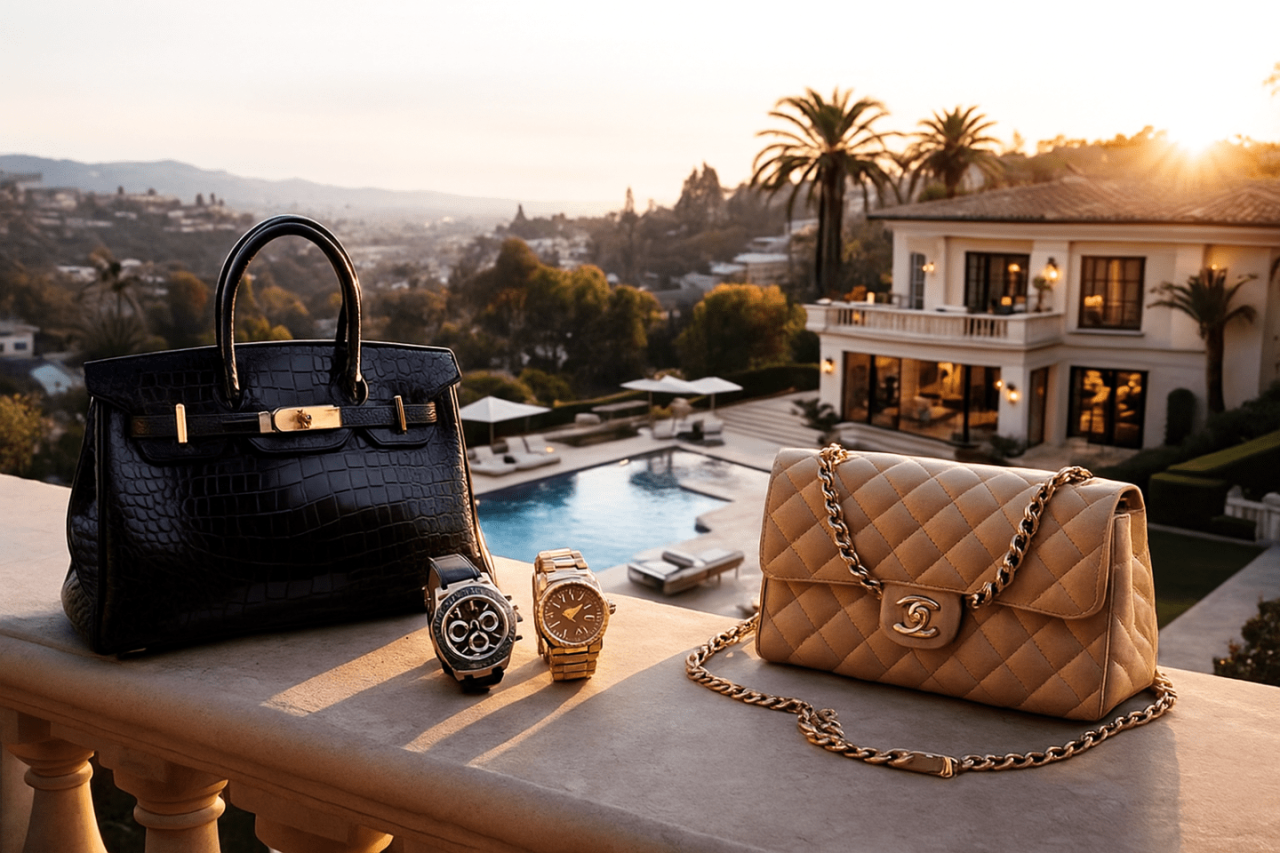
Creating luxurious outdoor spaces has become an essential aspect of contemporary luxury interior design. As homeowners seek to extend their living areas beyond the confines of their homes, outdoor spaces are increasingly designed to offer both style and comfort. Terraces and gardens can transform a property, allowing for seamless transitions between indoor and outdoor environments that promote relaxation and socialization.To create luxurious outdoor living areas that flow harmoniously from indoor spaces, it is important to consider the layout, materials, and furnishings that will create a cohesive atmosphere.
The goal is to design spaces that not only look beautiful but also enhance the functionality of the home. Incorporating elements like sliding glass doors or bi-fold windows provides an unobtrusive connection between the inside and outside, while ensuring that each area complements the other.
Trends in Outdoor Luxury Design
The trends in outdoor luxury design reflect a growing desire for functional yet elegantly styled spaces. Here are some key features that enhance outdoor luxury:
- Integrated Spaces: Outdoor kitchens and dining areas are increasingly popular, allowing for entertaining and dining al fresco, while maintaining a level of sophistication akin to indoor settings.
- Landscaped Gardens: Carefully curated gardens with native plants, ornamental features, and water elements such as fountains or ponds contribute to a serene environment that feels luxurious.
- Terraces and Patios: Expansive terraces with high-quality materials such as natural stone or porcelain tiles provide a sophisticated foundation for outdoor furniture and activities.
- Outdoor Fireplaces and Fire Pits: These features create a cozy ambiance, allowing homeowners to enjoy their outdoor spaces even during cooler months.
- Luxurious Furniture: High-end outdoor furniture made from weather-resistant materials, such as teak or aluminum, adds comfort and elegance, encouraging longer stays outdoors.
Outdoor Materials That Enhance Luxury
Selecting the right materials is crucial in achieving a luxurious outdoor space. The following materials are favored for their aesthetic appeal and durability:
- Natural Stone: Materials like granite, marble, and slate can be used for pathways, patios, and walls, offering timeless elegance.
- Composite Decking: Modern composites mimic the look of wood while providing the low-maintenance benefits of synthetic materials, making them a practical choice for outdoor decking.
- Luxury Fabrics: High-performance outdoor fabrics resistant to fading and mildew, such as Sunbrella, are essential for cushions and upholstery, ensuring comfort and longevity.
- Glass and Metal Accents: Incorporating glass elements, such as railings or tables, along with sleek metal finishes, adds a contemporary touch that enhances the overall aesthetic.
- Water Features: Natural stone or ceramic materials are often used in the construction of luxurious fountains and ponds that create visual interest and a calming atmosphere.
“The key to a luxurious outdoor space lies in the seamless integration of nature with comfort and style.”
Sustainability in Luxury Interior Design
The integration of sustainability into luxury interior design is becoming increasingly essential as more homeowners and designers recognize the importance of environmental responsibility. Luxury interiors are no longer just about opulence; they can also embody a commitment to sustainability. This shift allows for designs that are not only aesthetically pleasing but also environmentally conscious, reflecting a growing awareness of the ecological impact of our choices.Sustainability can be seamlessly integrated into luxury design by focusing on eco-friendly practices and materials without compromising the elegance and sophistication that define luxury.
Designers are exploring ways to create spaces that embody both beauty and sustainability, proving that luxury does not have to come at the expense of the planet. The increasing demand for green design solutions has led to innovative approaches, ensuring that luxury spaces can be both exquisite and environmentally responsible.
Growing Trend of Sustainable Luxury Materials
The rise of sustainable luxury materials is a significant aspect of this new design philosophy. There are various options available that contribute to both luxury and sustainability. These materials allow designers to create stunning interiors while minimizing environmental impact. Examples of sustainable luxury materials include:
- Reclaimed Wood: Sourced from old buildings or furniture, reclaimed wood offers unique character while reducing deforestation.
- Bamboo: Known for its rapid growth, bamboo is a renewable resource that can be used for flooring, furniture, and decor.
- Natural Stone: Selecting stone from reputable sources ensures minimal environmental disruption and adds a timeless elegance to interiors.
- Low-VOC Paints: These paints improve indoor air quality while providing a wide range of colors and finishes.
- Organic Fabrics: Materials like organic cotton, linen, and hemp are not only sustainable but also luxurious and comfortable.
Incorporating these materials into luxury design showcases a commitment to sustainability while preserving high aesthetic standards. These choices illustrate that luxury can be sustainable and beautifully crafted.
Balancing Luxury with Eco-Friendly Practices
Balancing luxury with eco-friendly practices involves making thoughtful choices that enhance both the quality of life and the environment. This balance can be achieved through several strategies:
- Energy-Efficient Lighting: Using LED lighting not only reduces energy consumption but also enhances the ambiance of luxury interiors.
- Smart Home Technology: Integrating smart systems allows for energy management and enhances convenience, proving that technology can harmonize with luxury and sustainability.
- Upcycled Furnishings: Choosing unique, upcycled pieces can add character to luxury spaces while promoting resourcefulness.
- Indoor Plants: Incorporating greenery not only beautifies a space but also improves air quality and adds a sense of tranquility.
- Water-Saving Fixtures: Luxury bathrooms and kitchens can feature high-end fixtures that conserve water while providing a lavish experience.
These practices not only elevate the luxury experience but also contribute to a more sustainable future. By prioritizing eco-friendly choices, designers and homeowners can enjoy luxurious interiors that respect the planet and its resources.
Personalization and Customization
Source: publicdomainpictures.net
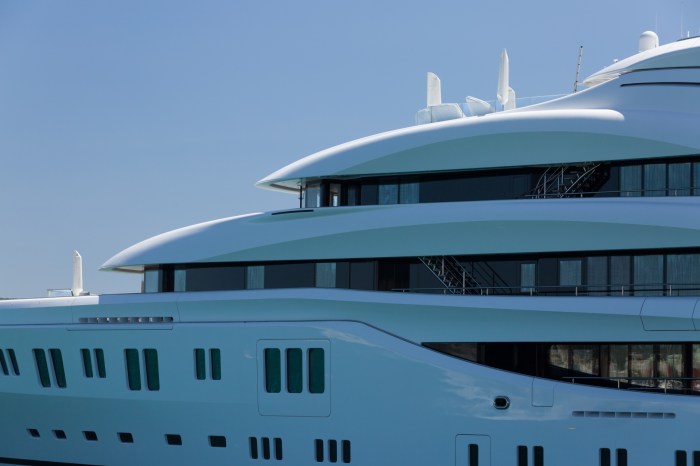
In luxury interior design, personalization and customization play a pivotal role in transforming spaces into unique sanctuaries that reflect the tastes, lifestyles, and personalities of their inhabitants. This approach goes beyond mere aesthetics; it creates an emotional connection to the environment, making it not just a place to live, but a true representation of oneself.Customizing spaces involves several methods that allow individuals to express their identity through design.
This can range from selecting specific furniture pieces that resonate with personal style to incorporating bespoke elements that enhance functionality and comfort. Personalization also embraces the integration of personal artifacts and artwork, which enrich the ambiance and narrative of a space.
Methods for Customizing Spaces
Customizing luxury interiors can take various forms, ensuring that every aspect of the space relates to the client’s preferences and lifestyle. Here are several effective methods for achieving a truly personalized aesthetic:
- Bespoke Furniture Design: Commissioning custom furniture allows for the creation of unique pieces that meet specific dimensions and style preferences, ensuring that functionality and aesthetics align seamlessly.
- Tailored Color Schemes: Selecting specific hues that resonate with the resident’s personality can significantly transform the mood of a space, making it feel welcoming and intimate.
- Custom Textiles: Choosing fabrics and materials that reflect personal style can enhance the tactile experience of a space. This includes custom drapes, upholstery, and cushions that integrate personal touches.
- Personalized Layouts: Arranging furniture in a way that suits the resident’s lifestyle—such as creating cozy conversation areas or optimizing flow for entertaining—enhances both functionality and comfort.
- Incorporation of Personal Collections: Displaying personal collections, such as books, antiques, or travel memorabilia, adds layers of storytelling to the design, making the space uniquely theirs.
The Role of Artwork and Personal Items
Artwork and personal items serve as essential components in luxury interior design, contributing significantly to the overall ambiance and character of spaces. These elements not only enhance visual appeal but also evoke memories and sentiments, further grounding the environment in personal significance.The inclusion of art can be approached in several meaningful ways:
- Statement Pieces: Large-scale artwork can act as a focal point in a room, drawing the eye and illustrating individual tastes. Original paintings or sculptures can serve as perfect conversation starters.
- Gallery Walls: Curating a collection of smaller artworks or photographs can create a dynamic gallery wall, filled with pieces that have personal resonance or aesthetic appeal.
- Integration of Heirlooms: Incorporating family heirlooms, whether it’s a vintage vase or an antique clock, can add a sense of history and warmth, connecting the present to the past.
- Custom Art Installations: Collaborating with artists to create customized pieces that reflect personal narratives or interests can result in truly unique installations that resonate on a personal level.
“Personalization in luxury interiors is not just about aesthetics; it is about creating a living narrative that reflects who you are.”
By thoughtfully incorporating personalization and customization into luxury interior design, individuals can craft spaces that are not only visually stunning but also deeply meaningful and reflective of their identities.
Closing Notes
Source: publicdomainpictures.net
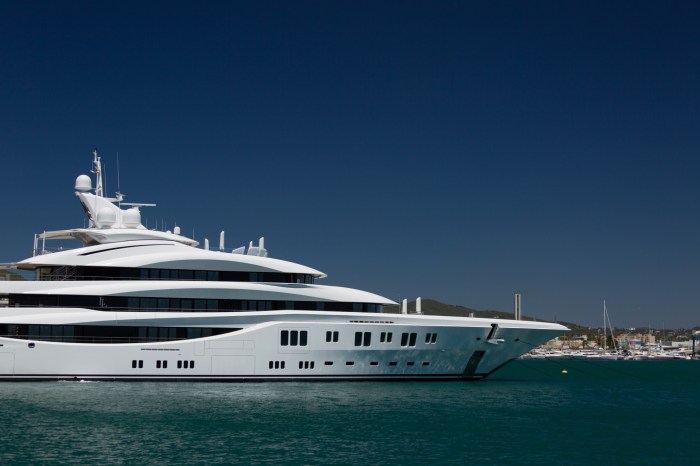
In summary, Luxury Interior Design offers a comprehensive approach to creating spaces that are not only visually appealing but also deeply personal. By integrating elements such as bespoke furniture, innovative technology, and sustainable practices, designers can craft environments that cater to modern sensibilities while embracing luxury. Ultimately, it’s about creating a sanctuary that reflects one’s identity and enhances the overall living experience.
FAQ Summary
What defines luxury interior design?
Luxury interior design is characterized by high-quality materials, sophisticated aesthetics, and personalized elements that create a unique and comfortable environment.
How important is lighting in luxury design?
Lighting plays a crucial role in luxury design, as it highlights architectural features and creates ambiance, enhancing the overall aesthetic of a space.
Can luxury interior design be sustainable?
Yes, luxury interior design can incorporate sustainable practices by using eco-friendly materials and energy-efficient technologies while maintaining elegance and style.
What are some popular trends in luxury outdoor spaces?
Current trends include outdoor kitchens, luxurious lounges, and seamlessly integrated indoor-outdoor living areas that prioritize comfort and aesthetics.
How can I personalize my luxury interior space?
Personalization can be achieved through custom furniture, artwork, and decor that reflect individual tastes and lifestyles, making the space uniquely yours.